

In 1956, as a child, I, along with my family, was displaced due to the partition of Undivided India and found refuge in Debgram, Gangnapur. At that time, the central landmark of Debgram was the ‘Deblar Dhipi’ or ‘Degaye’s Dhipi’—an ancient mound surrounded by a wide moat spanning approximately 1 square kilometer. At each of the four corners of this moat stood four towering mounds. The unique landscape of this fortified area in Debgram intrigued me even in my childhood, but back then, I did not have the opportunity to explore its mysteries. Life continued through struggles amidst fields, canals, and wetlands, leaving little time to heed the silent call of history.
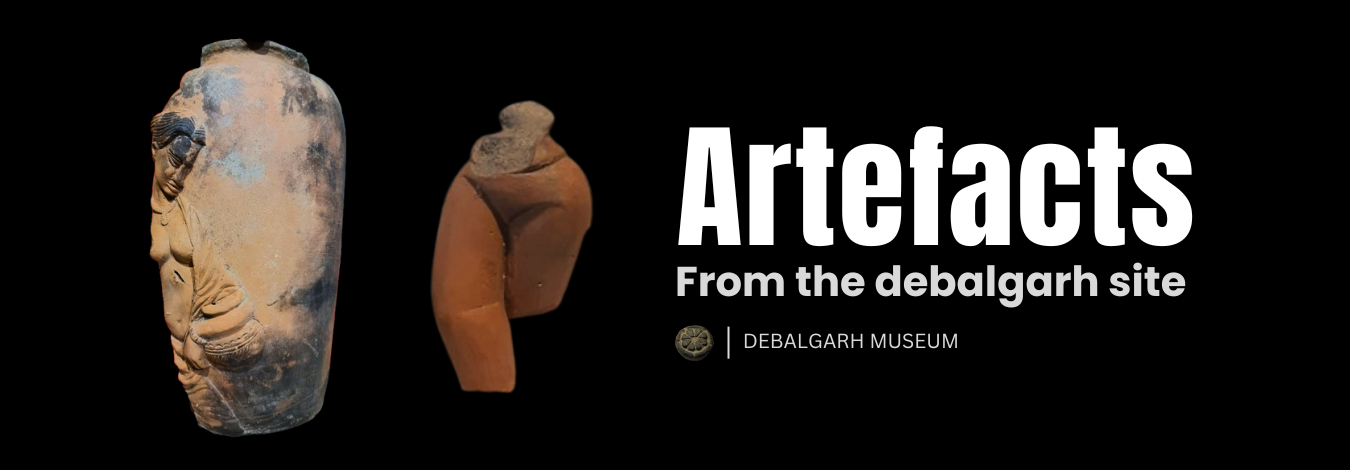
In 1970, Shri Paresh Chandra Dasgupta, the then Head of the State Archaeology Department, visited Deblaraja’s Fort (Debalgarh) with me and conducted a two-day archaeological survey, collecting significant artifacts. He remarked on the immense historical significance of this site and mentioned that in the near future, an excavation project worth 5 to 6 lakh rupees would be undertaken. That was the first time I developed a deep enthusiasm for Debalgarh’s history, but over time, as Shri Dasgupta never returned, my interest gradually faded.
Later, while reading a short story by Bibhutibhushan Bandyopadhyay, I came across a reference to ‘Degaye’s Dhipi’ in a description of a mountain. Additionally, Shri Raghunath Sarkar, a teacher at Netaji School, Debgram, wrote about Debalgarh’s history in local publications. I also heard from Dr. Dipen Kumar Pal, a renowned doctor from Gangnapur, that he had read about Deblaraja’s history in a history book from East Pakistan. Over the years, Debalgarh’s history faded into folklore, and the archaeological relics began to disappear. The central mound and three mounds of Debalgarh were gradually eroded, falling victim to land traders. Today, only the north-western mound, with remnants of the decaying moat, stands as the last sentinel guarding Debalgarh.
In 2016, as I approached the twilight years of my life, Sanjay Bhowmik, a young local teacher, visited my home and introduced me to Dr. Biswajit Roy, a teacher from Ranaghat, and historian . That day, my dear friends Adhish Haldar, Shubendu Mitra, and Ranjan Sikdar were also present.
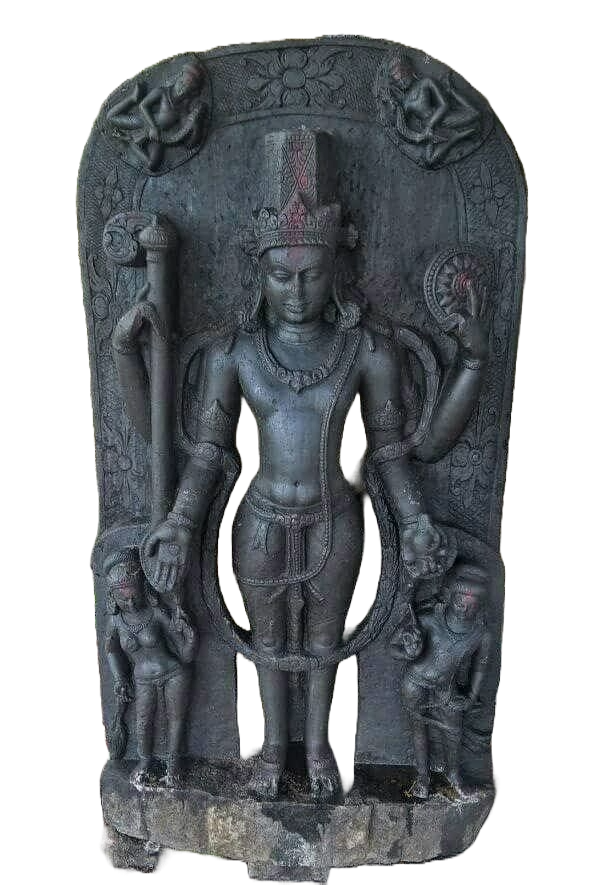
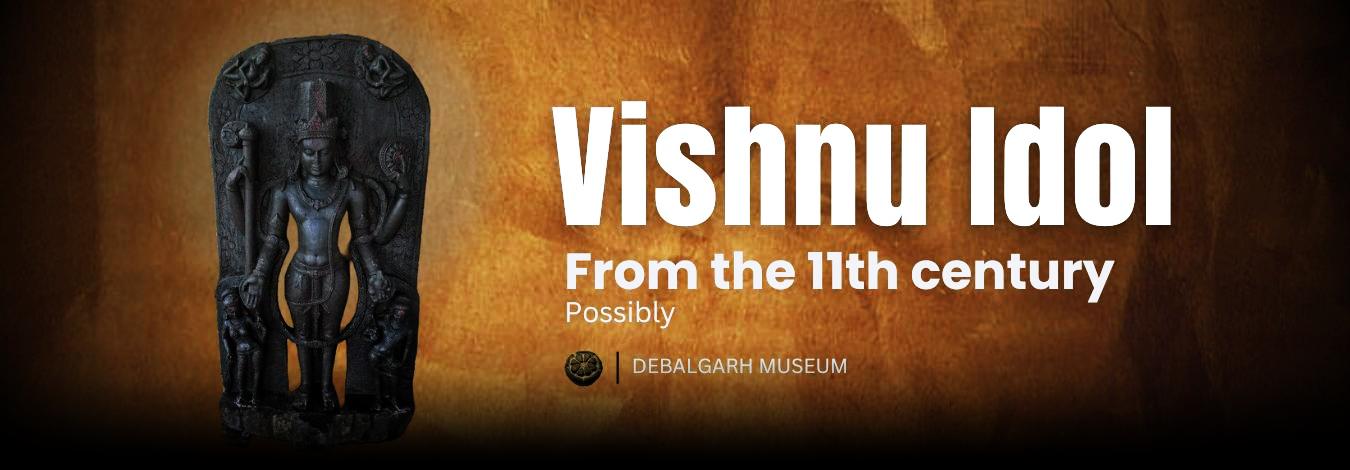
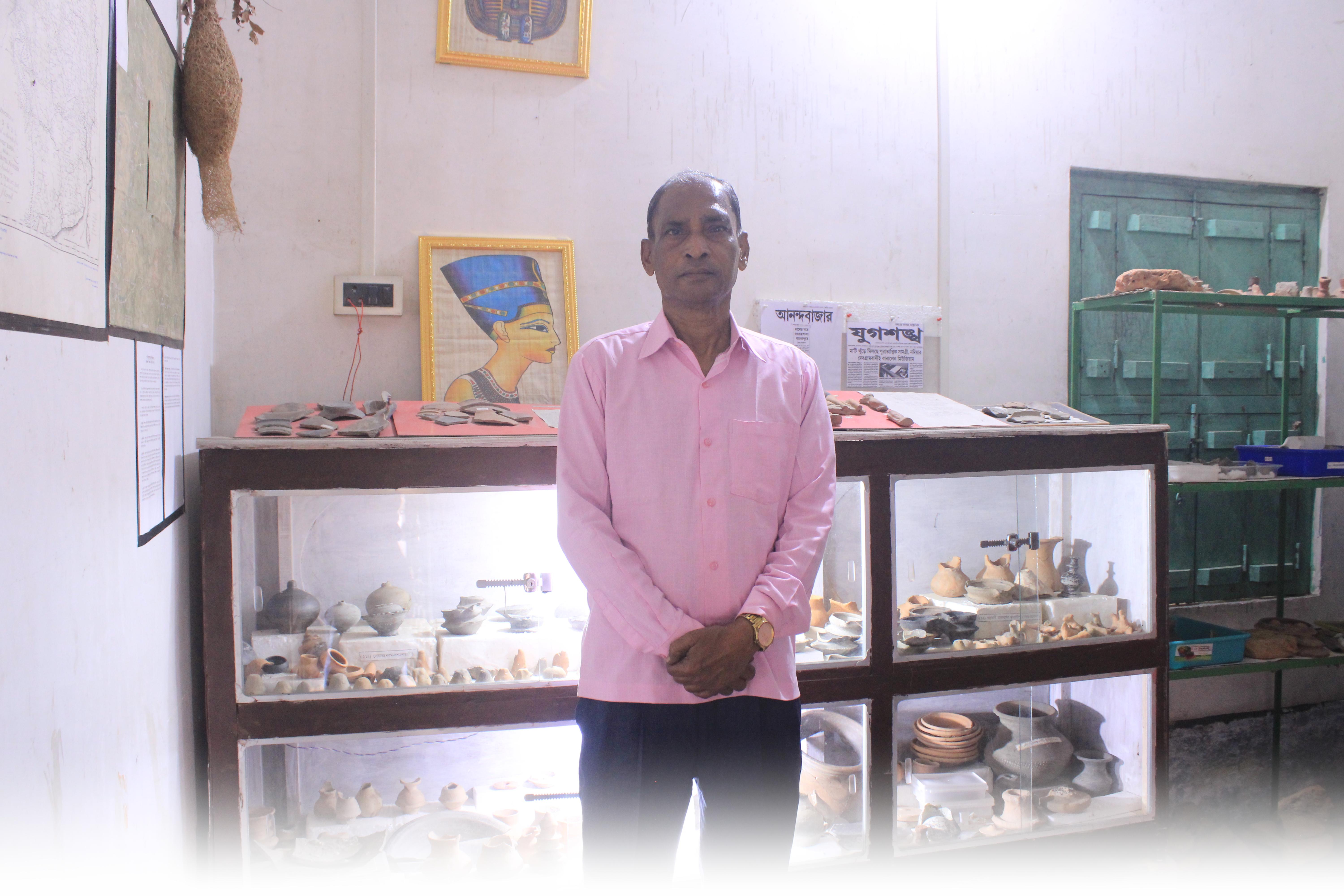
Soon after, with everyone’s dedicated efforts and unwavering determination, a museum was established in my home to preserve the historical artifacts of Debalgarh. Over the next few years, our team—including Sanjay Bhowmik, Shubendu Mitra, Adhish Haldar, and Ranjan Sikdar —undertook expeditions across Debgram, braving scorching summers, relentless monsoons, and bitter winters to collect relics. Armed with small excavation tools, we found immense joy in these ventures despite the physical hardships. Occasionally, Dr. Biswajit Roy, Debajit Biswas, and several others joined us on these historical explorations.
A special mention must be made of Dr. Tilak Purkayastha, a retired physician from Asansol, and a dedicated member of our organization. Despite his old age, his passion for history drove him to actively participate in artifact collection expeditions multiple times.
Alongside the museum, we established the Debgram Deblaraja Archaeological Society, with Sanjay Bhowmik as its first secretary and myself as the president since its inception. Over the years, many distinguished scholars from different parts of the state have contributed to the organization’s progress, with much credit due to the current secretary, Dr. Biswajit Roy, for his exemplary leadership.
Today, my only wish is for the true history of Debalgarh to be revealed, shedding light on an untold chapter of Bengal’s past. May the footprints of scholars grace this land, and may Debalgarh find its rightful place in history books, ensuring that its legacy remains immortal.